

Selling your Chicago, IL home with a reverse mortgage can be intimidating without a clear process. To ensure a smooth transition, financial terms, legal obligations, and market dynamics must be understood. This guide will help you maximize your investment, understand the lender and homeowner implications, and take strategic steps to succeed. Understanding the Chicago real estate market is essential to making informed decisions and optimizing your home’s value, whether you’re moving, downsizing, or simplifying your finances. Illinois Real Estate Buyers can help homeowners navigate this process and get the best result.
Brief Overview
Reverse mortgage home sales in Chicago require financial and legal knowledge. Reverse mortgages let seniors convert home equity into cash without moving. Understand the steps, including loan settlement and equity impacts from interest, before selling. Know local foreclosure laws and consult professionals to protect your finances. Cash home buyers in Chicago and nearby cities can protect their equity and accelerate the process.
Key Highlights
➤ Reverse mortgages allow Chicago seniors to access home equity for financial security without needing to sell.
➤ Selling a home with a reverse mortgage involves understanding the lender’s payoff statement and local real estate laws.
➤ Foreclosure defense is crucial in Chicago’s reverse mortgage sales to safeguard financial interests and equity.
➤ Reverse mortgages provide non-recourse protection, ensuring homeowners never owe more than their home’s value.
➤ Alternative loan solutions in Chicago, like HECM, offer financial flexibility for seniors tapping into home equity.
Understanding Reverse Mortgages in Chicago

Reverse mortgages offer Chicago homeowners invaluable options to utilize in retirement. A reverse mortgage enables seniors to stay in their home, financially secure, and never have to sell or move. To financially secure a retirement reverse mortgage, homeowners need to stay in their home and utilize the ownership equity in their financial planning. Homeowners in Chicago should know what reverse mortgages are and the benefits they provide to fully and beneficially engage the options offered in their retirement and housing decisions. These qualities make the prospect of retirement more secure financially and help the planning of retirement housing more certain.
What is a Reverse Mortgage?
Homeowners aged 62 or older are able to partially cash out their home equity via what’s known as a reverse mortgage. A Home Equity Conversion Mortgage, or HECM, is the most common type of reverse mortgage. With an HECM, the lender can offer the homeowner a lump sum or set up a line of credit or monthly payouts. Reverse mortgages do not require any monthly payments towards the loan as the homeowner continues to pass the property down to family members. Homeowners use the money to pay down healthcare expenses, retirement expenses, or home expenses.
Interest is charged on the reverse mortgage loan each year until the homeowner either sells the property, dies, or moves to an assisted living facility. In Chicago, seniors have access to cash in real estate fluctuating markets through their home for the mortgage. For retirees, home equity is best utilized by understanding and planning how reverse mortgages align with their financial, property, and housing goals.
Maximizing the Benefits of Reverse Mortgages
➤ Assess your financial plan to know if a reverse mortgage can improve your retirement strategy.
➤ Choose the most suitable payout option for your lifestyle by comparing options.
➤ Make sure to consult a financial expert to evaluate long-term estate implications.
➤ Comply with all terms to protect homeownership rights and maximize home equity.
➤ Plan for future repayment arrangements to manage liabilities.
➤ Read up on reverse mortgage rules in Chicago to make informed decisions.
➤ Discover how a reverse mortgage affects your finances and family needs.
This list helps you use reverse mortgages for a secure retirement.
Benefits of Reverse Mortgages for Homeowners
Since reverse mortgages help many Chicago homeowners financially, it’s mainly in retirement. These mortgages help seniors access some of their home’s equity and pay for living and healthcare while alleviating some financial burden. Home equity can be used for many purposes, such as daily costs, unexpected medical needs, and easing financial strain. Helping retirees stay in their homes, maintain their independence, and use their equity for discretionary costs.
Also, HECM reverse mortgages have some unique protections, such as non-recourse terms, that help homeowners and their heirs ensure that they will never owe any more than what the home is worth when it is sold. Homeowners can stay in their homes for as long as they want, and they continue to pay the property taxes and insurance, and their home maintenance stays current. These benefits of reverse mortgages create income and maintain home equity. Most importantly, in these volatile conditions in Chicago’s housing market, it helps homeowners have financial security.
Implications of Selling a Home with a Reverse Mortgage
With a reverse mortgage and home ownership, you have specific circumstances that will affect your home equity and financial standing when selling property in Chicago. As selling property with a reverse mortgage can be a complicated financial transaction, it is necessary to understand the implications, and this section will take you step by step through the process of home sale equity determination. Understanding how to sell a reverse mortgage and home equity can enable you to decrease financial liabilities or relocate to a property that better suits your needs. For a faster transaction, homeowners can work with a company that buys homes in Illinois and nearby cities to simplify the process. Understanding the home equity will be to your benefit.
| Steps Involved | Key Considerations | Impact on Equity | Financial Strategies |
|---|---|---|---|
| Evaluate Remaining Loan Balance | Determine payoff amount required | Identify available equity after loan repayment | Consult a financial advisor for debt management |
| Set a Competitive Listing Price | Consider market trends in Chicago | Analyze potential impact on proceeds | Optimize pricing to maximize balance after sale |
| Negotiate with Lender | Understand lender’s requirements | Negotiate terms to retain maximum equity | Explore refinancing options if needed |
| Manage Sale Proceeds | Plan for expenses such as closing costs | Calculate net proceeds after all payouts | Utilize proceeds to enhance financial stability |
| Prepare Legal Documents | Ensure compliance with local regulations | Protect equity from legal liabilities | Seek legal guidance for proper documentation |
This table outlines key elements and strategies for selling a Chicago home with a reverse mortgage.
Home Sale with a Reverse Mortgage
The first step in selling a reverse mortgage home in Chicago is to contact your lender to obtain a payoff statement. A payoff statement outlines the remaining loan balance plus any interest and fees. This helps price the home correctly and is used to guarantee the sale will clear the mortgage. The homeowner needs to calculate the home’s market value to price the home correctly and expeditiously in Chicago’s competitive market. Therefore, the homeowner should obtain a professional home appraisal to determine the best equity optimization strategy.
Then, complete all necessary documents, including the required titles and all necessary disclosures, to facilitate a seamless transition of the seller’s ownership. Foreclosure laws in the state of Illinois should be thoroughly understood, along with potential defense strategies, should the sale become defensive. The best way to guarantee protecting your financial interests is to be proactive and well-informed.
Impact on Home Equity During Sale
As required by law, equity is first paid off before the sale of the home. As such, the sale of a home with a reverse mortgage can significantly reduce home equity. This is especially critical in the Chicago area, where real estate finances can be particularly volatile. The remaining equity is provided to the customer once the sale is finalized. As such, to optimize your outcome, appropriate and timely pricing, marketing, and negotiations are critical.
Several improvements can be made to the home to boost its market equity potential and enhance the home’s equity gain upon sale. Home staging, marketing improvements, and repairs can attract buyers and even drive up purchase prices. Reverse mortgages have a non-recourse feature that legally protects the borrower on the loan, and the borrower cannot owe a deficiency if the sales price of the home is less than the loan amount on the home. Appropriate mortgage terms, knowledge, and home value enhancement initiatives optimize finances and the desired outcome.
Legal Considerations and Foreclosure Defense
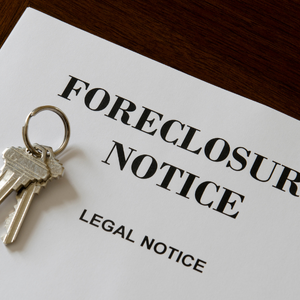
Understanding legal aspects and foreclosure defense is vital when selling homes with reverse mortgages secured on them in Chicago. Every homeowner must know the basics in order to protect themselves financially and legally due to how Illinois foreclosure laws work. Knowing how to legally defend against foreclosure is important when dealing with lenders and facing unpaid loans, so homeowners are able to make reasonable choices when selling. Understanding how foreclosure defense can protect your economic and financial interests helps to dispose of the home in a more effective manner and protect the remaining balance and equity of the home.
How to Protect Yourself with Foreclosure Defense
When it comes to the financial implications of selling a home with a reverse mortgage in Chicago, knowing the loan balance, HECM agreement, and different protective measures like non-recourse can shape how you defend your equity and determine the status of your finances. Foreclosure, even if the other conditions of the loan have been met, can be triggered due to tax, insurance, and other property charges being delinquent. Staying up to date with these fees is just as critical as other loan conditions.
Use of attorneys early in the process of Illinois Foreclosure Laws can help greatly. Housing attorneys and counselors can help with many modifications to loans and procedural talks with your lender that can reduce your risk in the deal. Being proactive and self-informed on your options can help reduce the risk as well as control the financial gain in the sale by using the tools available to you.
Mortgage Loan and Financing Options

In considering reverse mortgages, Chicago-area homeowners should evaluate mortgage loans and financing options. Knowing your options could provide flexibility in cash flow and ease transitions in retirement and housing. This section provides an overview of alternative loans, their effects on outstanding loan balances, and Chicago-specific strategies and requirements for remaining balances. Descriptions of available reverse mortgage options in Chicago follow.
Exploring Alternative Loan Solutions
Understanding the concept of reverse mortgages is critical to understanding the financial implications of selling your Chicago home. A reverse mortgage is when homeowners aged 62 years and older can take out HECM loans that permit homeowners to take out their home equity and receive cash. The owner is not required to pay the mortgage amount, and they gain flexibility and financial security over the years. Knowing how relocation works, the home’s repayment terms, and the home’s current market value is crucial to making effective plans.
Integrating specific financial options to maximize equity and manage loan alternatives is more advantageous for customers than just working with a qualified mortgage lender. Balancing the amount of equity that can be integrated with retirement and alternative loans is beneficial to the customer. Having a quality alternative loan integrated into their financial plan enables customers to enhance the benefits of Chicago’s housing market and enhances their peace of mind.
Selling a Chicago home with a reverse mortgage is simple if you know the steps. Preparation is essential for loan settlement and sales optimization. By understanding legal, market, and financial issues, you can smooth the transition and improve financial results. Financial advisors and lawyers can help you understand the complexities. Please contact Illinois Real Estate Buyers for customized assistance. Being informed and proactive helps you manage your finances effectively and maximize the benefits of a property sale.
Looking to sell a home with a reverse mortgage in Chicago, IL? Whether you want to close quickly, avoid repairs, or prefer a simple, stress-free process, Illinois Real Estate Buyers can help. We provide fair cash offers, manage all required steps, and guide you through the unique aspects of selling a reverse-mortgaged property. Have questions or ready to get started? Call us at (773) 305-6373 for a no-obligation offer and expert assistance today.
FAQs
How do reverse mortgages work in Chicago?
Reverse mortgages let homeowners, especially those over 62, cash out part of their home equity. HECMs are common in Chicago. Owners receive lender payments but do not pay monthly. The homeowner pays off the loan when they sell, move, or die, with protection against owing more than the home’s value.
How do reverse mortgage home sales affect equity?
Home equity mostly pays off a reverse mortgage when selling. As reverse mortgages accrue interest, equity may decrease. Strategic pricing and market timing in Chicago are crucial because the homeowner receives any equity after paying off the mortgage when the home is sold.
Legal issues when selling a Chicago home with a reverse mortgage?
Understand Illinois foreclosure laws and get a clear payoff statement from the lender. Homeowners must complete local real estate paperwork to avoid delays. Legal services can protect against sale-related financial losses.
How can foreclosure defense help sell a reverse mortgage home?
Financial interests are protected in foreclosure defense. Loan balances, HECM clauses, and property charges must be understood. Legal advice can help with loan modifications or foreclosure negotiations, making home sales easier.
How does a reverse mortgage lender help sell a home?
Mortgage lenders provide structured financial advice on loan rates, terms, and conditions. They guide homeowners through loan balance understanding and settlement terms to make smart financial decisions in Chicago’s dynamic market.